
Research Themes
Our research focuses on sustainable molecular semiconductors and emerging electronic materials, including mixed electronic/ionic conductors and organic/inorganic hybrids. Our work lies at the interface of physics, materials science, chemistry, and device engineering.
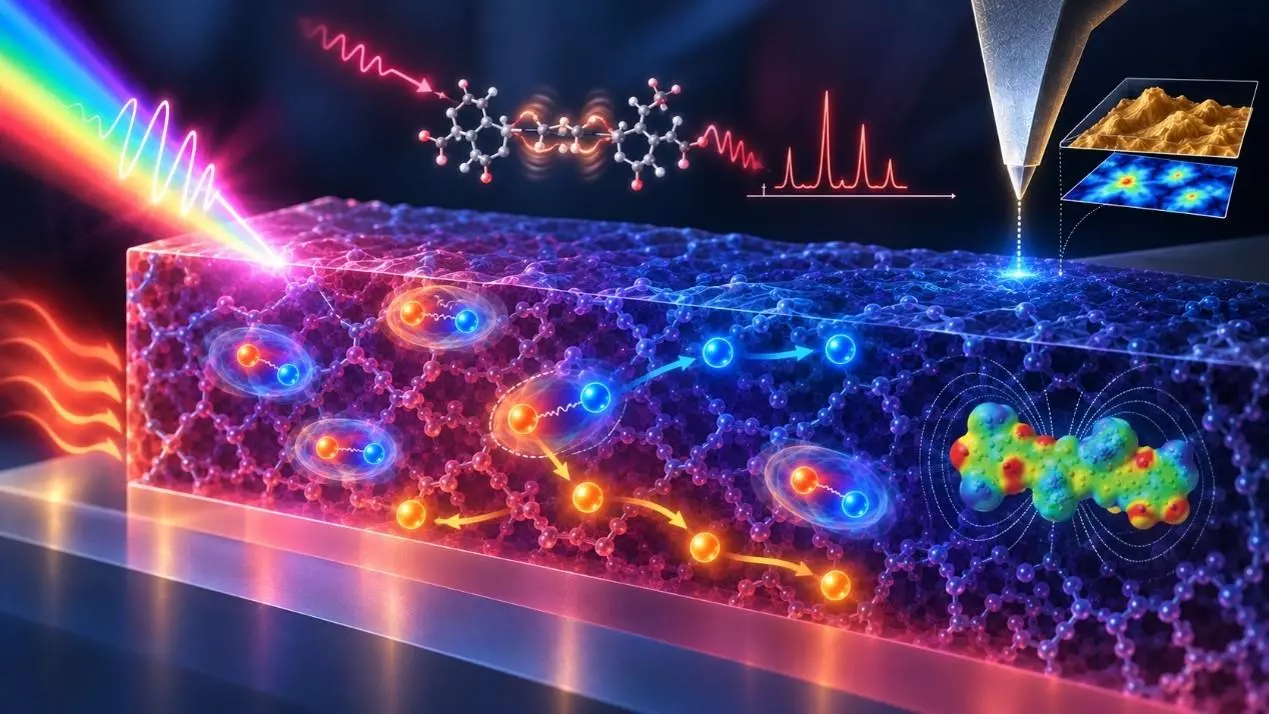
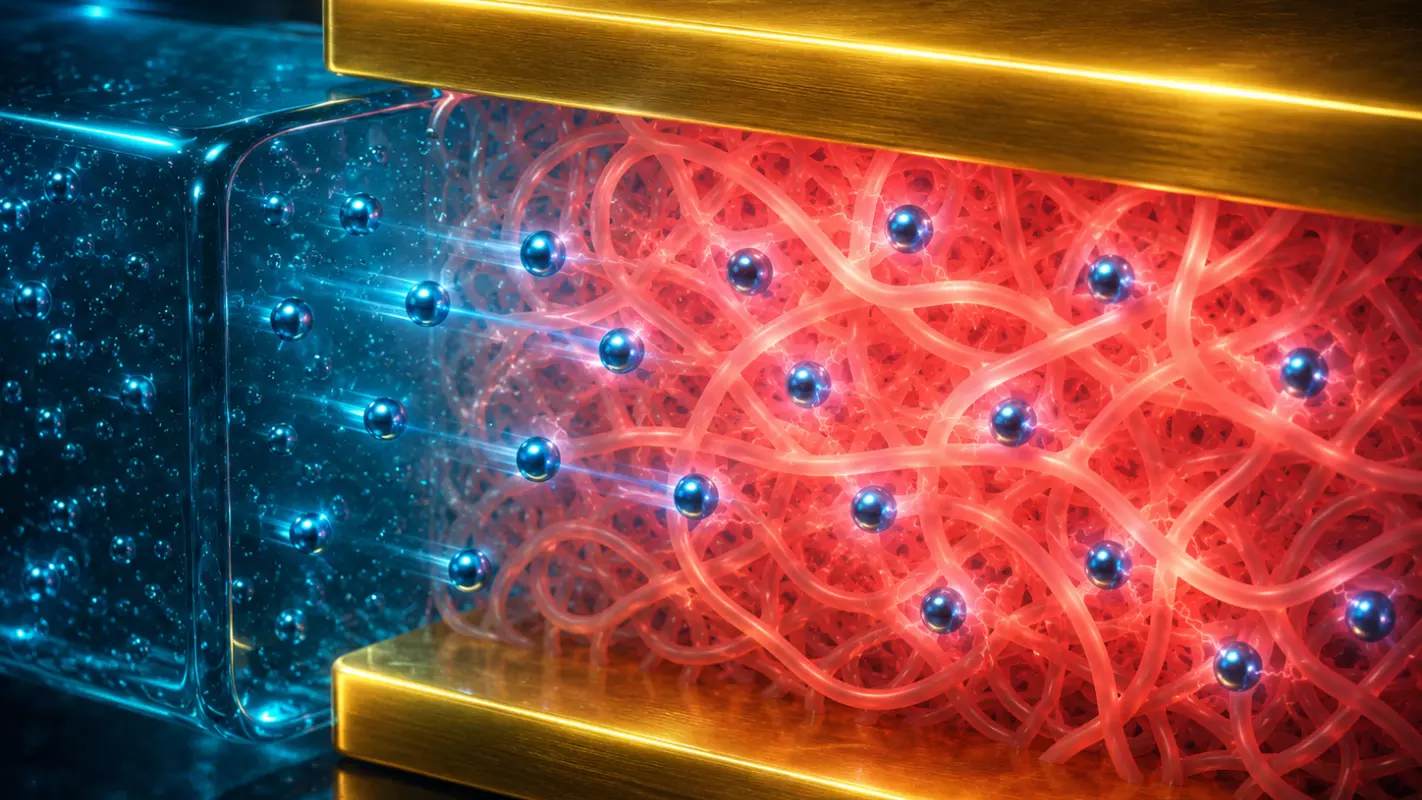
A central aim of our research is to understand how molecular structure, nanoscale organisation, interfaces, and intermolecular interactions control optoelectronic properties and device performance. We investigate how these materials absorb light, transport charges, form polarons, interact with ions, and respond to electrical, optical, and electrochemical stimuli.
To address these questions, our group develops and applies advanced nanometrology techniques for molecular and hybrid semiconductors. These include non-invasive structural analysis (e.g., steady-state and transient vibrational spectroscopy) and energetics studies (e.g., Kelvin probe, photoemission, and surface photovoltage spectroscopy). These experimental approaches are complemented by molecular density functional theory (DFT) simulations, allowing us to connect molecular structure and dynamics with device function.
Examples of current research projects:
- Molecular Semiconductors for Sustainable Clean Energy Generation
- Probing and Manipulating Polarons in Molecular Semiconductors
- Mixed Electronic-Ionic Materials Towards Low-Powered Sustainable Healthcare Applications
- Energetic and Kinetic Analysis of Electronic Materials for Solar Driven Photoconversion
- Interface Engineering for High Performance Energy Storage Applications
We also work closely with industrial partners, including Samsung Electronics (Korea), Oninn (Brazil), and the National Physical Laboratory (UK), to connect fundamental materials understanding with scalable technologies.